
About Dar es Salaam – Self Drive Dar es Salaam, City Tour and Culture
Dar Es Salaam is one of the best cities to visit in Tanzania. Are you planning to book a self drive Dar Es Salaam adventure? Get all the information you need to ensure your visit to this historic city is thrilling.
Dar Es Salaam is another one of the main but largest cities in Tanzania and is the center of industrial growth. Dar es Salaam is seated along the beautiful shores of the majestic Indian Ocean whose name was derived from Arabic, translating into Haven of Peace. The name is be fitting because it gives a good description of a city that blends laid-back seaside charm with the bustle of modern life and standing as the power house of Tanzania.
Dar es Salaam is the vibrant hub of the country with a flourishing culture, commerce and coastal beauty coverage.
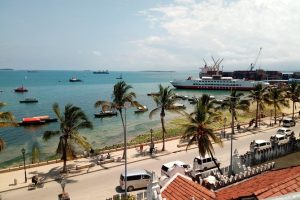
Historically, Dar es Salaam was intertwined with trade and colonial influence. It was initially a small fishing town called Mzizima and was changed in the 19th century by Sultan Majid bin Said of Zanzibar, who envisioned Mzizima as a thriving and blossoming port city. Under the sultan’s guidance, Dar es Salaam began to flourish as envisioned, into a center of trade connecting to mainland Africa with Arabia, India and beyond.
After some time, the city fell under the German rule in the late 1800s, becoming an executive capital of German East Africa. Germans overly invested in infrastructure such as construction of railways and other port facilities, which became a basis of the current future status of the city and its economic growth. The British rule after the World War 1 after the German rule also developed the administrative and commercial ground until 1961 when Tanzania became independent.
Dar es Salaam is the entry point for many of Tanzania’s tourist attractions for many travelers. From this city, they can self-drive or be driven to the abode of the great wildebeest migration, Serengeti national park and also explore the great Mountain Kilimanjaro.
For leisure, they can visit closet island of Zanzibar with its historic stone town and idyllic beaches, which is easily accessible by a short flight or a ferry.
Economically, Dar es Salaam has grown into a garden that best feeds Tanzania’s economy as it provides a significant portion of her GDP. In East Africa, it is the busiest port as it serves not only Tanzania but also Uganda, Rwanda and Zambia. It does so because it is a land locked country, allowing export of manufactured goods, minerals, agricultural products, promoting the smoothness of regional trade.
Industrialization, telecommunications and banking services have high boosted Dar es Salaam, alongside having traditional markets depicting a balance and transition. The presence of international companies also demonstrates the rapid economic growth of this city and its level of urbanization.
Dar es Salaam is a real epitome of cultural diversity, because it harbors people of different ethnicities such as Arabs, Europeans and Indians. As a result, people intend to embrace and practice this diversity as evident in restaurants which sell different cuisines and foods.
Kiswahili is the official language spoken in Dar es Salaam and Tanzania at large. Tourists tend to experience this vibrant culture when they get the opportunity to mingle with the local community such as in markets as they buy foods and other daily life essentials.
As in any other East African country, street food is a go for even in Dar es Salaam of Tanzania as it is typical of urban life. Common street dishes include nyama choma (grilled meat) pilau, samosas among others. You can grab a bite on a city tour or self drive Dar es salaam road trip.
This port offers a unique experience once visited as it is along the Indian Ocean. It is characterized by sandy beaches, coral reefs and islands that attractive to both tourist and the local masses.
Dar es Salaam is characterized by warm temperatures all year round, making it a place worth staying for both people. The rainy season also happens there from March to May and from October to December.
It is further a center for education and innovation as it has a good number of institutions such as the University of Dar es Salaam which has played a significant role in the shaping of many minds, both local and international, through contributing to research and innovation.
Dar es Salaam has had a sprouting of innovation hubs and technology start-ups which demonstrates the level which entrepreneurial skills are moving, creating a positive impact on the economic growth of the city, Tanzania and Africa at large.
Such innovations benefit the Tanzania’s neighbors of which they purchase certain innovations, creating an impact on the GDP.
In recent years as a result of urbanization, the city faces significant challenges as any other city in the world. Population growth has been rapid, leading to congestion of people, cars and other transport means. Therefore, there is inadequate housing, increased demand on public services provided by the government. Informal or unplanned settlements have grown on the outskirts, exerting more pressure for the need for a sustainable urban planning.
Traffic congestion has also become a persistent problem as it is sometimes uncontrollable. However, the government tries to put in place strict laws and regulations to make roads safe for all its users, most especially pedestrians. Drivers are also required to follow all rules and regulations and can pay heavy fines when they fail to do so. If you are on a self drive in Dar es Salaam then you need to avoid traffic congested areas especially in the center.
Regardless of these problems, which are common to almost every country, Dar es Salaam continues to evolve and thrive. Investments are being done by both the government and local people to increase its modernity. There is construction of ports, roads, provision of public services to support the growth of this city and positively impact the lives of the residents.
Conclusively. Dar es Salaam is a hot spot for Tanzania in all aspects of life, in all sectors. It offers a great sense of modernity, education, cultural diversity, economic growth, administration and lucrative trade, for both the local and international market.